Donald Trump has radically transformed the federal approach to cryptocurrencies. In less than two years, the administration has shifted from aggressive enforcement to a highly favorable stance. However, this rapid deregulation now faces a major political hurdle. The Clarity Act, a foundational text designed to structure the industry and provide legal certainty to Web3 participants, remains stalled in the Senate. The core issue revolves around the president’s personal financial ties to the sector. Furthermore, the system lacks an independent ethical arbiter. The United States faces a crucial choice: determining whether it can pass credible laws while the executive branch holds significant interests in the market it regulates.
Key points on the current legislative gridlock:
- The Clarity Act is currently stalled in the Senate due to concerns over the executive branch’s financial ties.
- Financial disclosures indicate that Donald Trump holds approximately $1.4 billion in cryptocurrency-related revenue.
- The main legislative obstacle lies in the enforcement of ethical rules, with lawmakers divided on the role of the Department of Justice.
What is really changing around the Clarity Act
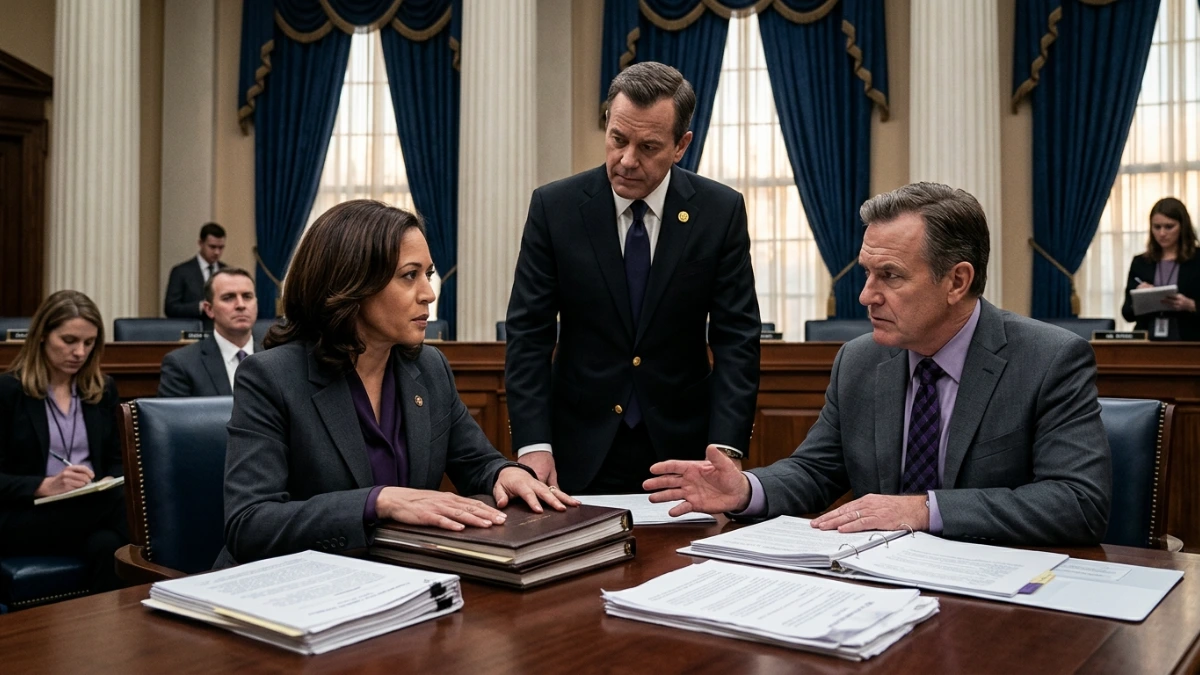
Institutional friction is currently paralyzing the legislative framework designed to bring certainty to the industry. Lawmakers are struggling to separate market regulation from political oversight, which directly undermines the core objectives of the Clarity Act.
The shift in US crypto regulation
Since early 2025, the administration has implemented a series of favorable decisions for the cryptocurrency sector. The executive branch has protected self-custody, supported mining operations, and encouraged dollar-pegged private stablecoins. The government has also rejected the concept of a central bank digital currency. Another major step involved proposing a strategic BTC reserve. This initiative allows seized tokens to be held rather than auctioned off.
This marks the definitive end of the previous era of regulation by enforcement. Regulatory bodies have adjusted their strategies accordingly. The agency no longer considers the majority of tokens as securities by default. Meanwhile, the commodities regulator has taken on a larger role in overseeing derivatives. The Clarity Act was initially intended to codify this new dynamic to establish clear rules for digital assets, but the legislative process has bogged down.
A sudden concentration of power
This transformation raises fundamental questions about institutional balance. Following a recent Supreme Court decision, the president can now more easily dismiss certain commissioners of independent agencies. This structural shift means that regulators overseeing the crypto market are more dependent on the executive branch.
A president holding direct financial interests in cryptocurrencies leads the executive branch. This overlap between political authority, regulatory oversight, and personal wealth fuels the current legislative gridlock. Lawmakers are questioning the viability of comprehensive digital asset legislation under these conditions, making the passage of the Clarity Act increasingly complex as the concentration of power hinders a neutral regulatory environment.
The facts and data supporting the analysis
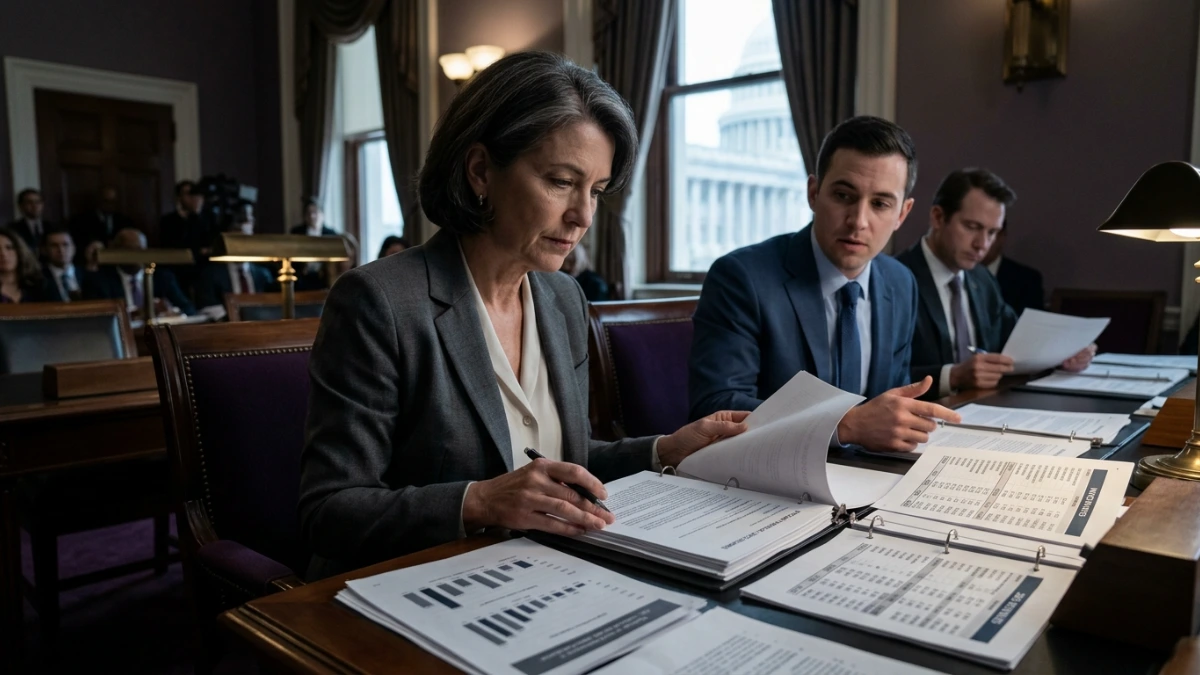
Official financial disclosures have placed the president’s personal investments at the center of the legislative debate. These figures now constitute the main obstacle to a bipartisan consensus.
The $1.4 billion conflict of interest
Recent documents reveal approximately $1.4 billion in cryptocurrency-related revenue for the president in 2025. Reports link these amounts to specific tokens, notably $TRUMP, and various stablecoin projects like USD1. These figures come from official disclosures. Authorities have not established any legal violations. However, the political optics remain highly controversial.
The White House maintains that there is no conflict of interest. However, opposition lawmakers argue that the president directly profits from a sector his administration is actively deregulating. This situation creates an unprecedented challenge for the Senate. Passing comprehensive laws requires bipartisan support, which is currently lacking due to these financial revelations. The debate has shifted from market mechanisms to fundamental government ethics.
World Liberty Financial and market ties
The president’s association with World Liberty Financial further complicates the legislative process. This decentralized finance initiative highlights the close ties between the executive branch and the private sector. When the administration drafts rules likely to have a direct impact on the profitability of such enterprises, lawmakers demand strict oversight mechanisms.
The crypto market is reacting to these political developments, with investors monitoring the risk of regulatory capture. The integration of personal commercial ventures into federal policymaking is unprecedented in modern financial regulation. This dynamic forces the Senate to scrutinize every clause of proposed bills. The goal remains to ensure that new regulations serve the public interest rather than private portfolios. Observers from Select Plan – Reel PRO highlight a critical risk factor: politics and decentralized finance are now dangerously intertwined.
The consequences to watch now
The inability to pass foundational laws threatens to leave the United States lagging behind in the global regulatory race. Furthermore, these internal political battles have direct external consequences.
The jurisdictional dispute between the SEC and the CFTC
Lawmakers had designed the Clarity Act, now at a standstill, to clarify the boundaries between the SEC and the CFTC. Without this legal clarity, the industry remains exposed to overlapping jurisdictions and regulatory uncertainty. The bill aimed to protect developers, regulate intermediaries, and offer legal security to cryptocurrency businesses. Instead, a simpler question is blocking the text: who enforces the ethics rules concerning the president?
Republicans have proposed banning senior officials from issuing or sponsoring cryptocurrencies for compensation during their term. Democrats consider this measure insufficient because its enforcement would rely primarily on the Department of Justice. Entrusting this task to the DOJ essentially means asking an administration to police its own leader. This institutional deadlock prevents any significant progress on the regulatory front. To understand the official context of how these agencies operate, you can consult the SEC’s official resources on crypto assets.
The short-term impact on the crypto market
The Department of Justice has become the breaking point in negotiations. Consequently, the administration has scaled back certain cryptocurrency-related prosecutions and dismantled specific law enforcement units. Although the industry welcomed these initiatives, they drew sharp criticism from opposition senators. Several lawmakers refuse to let the DOJ be the sole body responsible for prosecuting potential ethics violations. They want to grant enforcement powers to state attorneys general.
Without a compromise on this issue, the legislation cannot secure the 60 votes required in the Senate. This delay comes as other regions are advancing rapidly:
- Europe is already applying its MiCA framework.
- Japan is preparing favorable tax reforms.
- South Korea is drafting dedicated stablecoin laws.
Every month of American delay gives an advantage to international competitors. A striking paradox emerges: the administration has accelerated institutional adoption, but its own financial ties are now hindering the long-awaited legal framework. This uncertainty affects everything from BTC crypto flows to ETH crypto news cycles. It also impacts the baseline volatility of ETH. Furthermore, broader updates in BTC crypto news are evolving as markets price in the legislative risk.
Conclusion
The current administration has met many of the cryptocurrency industry’s demands. It has provided frameworks for stablecoins and proposed a Bitcoin reserve, while backing away from aggressive enforcement. However, fundamental questions of ethics and institutional independence are firmly blocking the Clarity Act, thereby preventing the comprehensive structuring of the market. A central problem remains: can a comprehensive law be passed if senators disagree on the oversight of the executive branch’s financial interests?
The next critical element to watch will be the counter-proposal regarding the enforcement of ethics rules. This upcoming debate will determine the fate of the legislation. It must progress before the political calendar closes the current window of opportunity. Lawmakers must establish a neutral arbitration mechanism. Otherwise, the United States risks stalling its own regulatory ambitions, while the rest of the world moves forward.
FAQ: Why the Clarity Act, how much crypto revenue, what are the consequences
The legislation is at a standstill because lawmakers cannot agree on how to enforce ethics rules, particularly regarding the president’s personal cryptocurrency holdings and the role of the Department of Justice.
Official financial disclosures indicate that Donald Trump holds approximately $1.4 billion in cryptocurrency-related revenue, associated with tokens and decentralized finance projects.
This gridlock creates regulatory uncertainty in the United States, allowing other regions like Europe and Japan to take the lead in establishing comprehensive frameworks for cryptocurrencies.
Disclaimer: This article is provided for informational purposes only and does not constitute investment advice. Cryptocurrencies are volatile assets. Always conduct your own research before making a decision.